
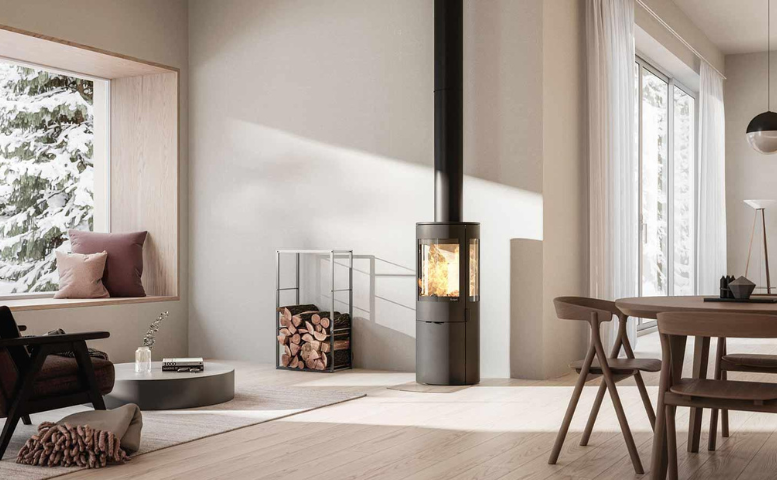
Hey you! Were you looking for a pot belly stove? This can bring warmth, character, & a classic look to a house. It produces intense heat & combustion gases. So, homeowners must not treat its setup as a simple DIY project. Are you thinking about a traditional wood-burning model? Or do you need an indoor pot belly stove? Either way, the appliance, flue, floor protection, ventilation, & surrounding clearances all require serious attention.
Are you considering a pot belly stove Melbourne installation? Then, sticking to the Australian manufacturer’s instructions is very critical. Below are five necessary wellbeing rules to know about.
The 1st safety decision is where the stove will be set up. A pot belly stove radiates significant heat. So, it should not be set too close to walls or furniture. Neither should it be kept near curtains, timber, etc.
The required clearances vary. The appliance and installation design are important considerations. Manufacturer instructions should always be checked. Also, people must keep an eye on the applicable Australian installation demands. Homeowners must prioritize solid-fuel heater clearances from combustible surfaces.
Don’t randomly select an area. Think about-
Never assume that placing a heat shield will make an area secure. The complete setup needs to meet the pertinent demands.
The flue is an important part of a wood-burning heater. It carries smoke & combustion gases outside. Homeowners must install this correctly. Hence, the heater can work safely.
The flue route should be planned first. Then, the final stove position can be confirmed. It needs appropriate clearance from combustible materials. Also, the unit needs to be set up according to the factory specifications. Installers must stick to industry standards.
The flue needs the right termination above the roof. Requirements can vary. This can happen due to the roof, nearby structures, etc. Flue height & location are important for effective draw & smoke dispersal.
Never improvise a flue using unrelated components. Also, you should not modify the system without right support.
A pot belly heater must be installed on an apt heat-resistant surface. See if the existing floor is combustible. Then, appropriate floor protection or a compliant hearth may be needed.
Heat shielding can also be important. This is mainly true if the stove is near a wall. The exact clearance reduction must comply with the applicable requirements.
There is a high need to consider floor protection & clearance distances. Also, you need to think about shielding & manufacturer specifications.
This is especially important in older Melbourne homes. This is where timber floors, walls, & ceilings may be close to the anticipated setup area.
Combustion needs air. Traditional pot-belly stoves can use oxygen from the room. People must think about ventilation during setup & operation. The Aussie Govt. notes that pot-belly stoves & open fires require ventilation. This is because they draw oxygen from indoor air.
Poor airflow can contribute to improper burning. Plus, there can be smoke problems. Exhaust fans & other systems create negative pressure. These may also affect how a solid-fuel heater works. So, fresh-air ventilation & negative pressure must be top installation considerations.
Your installer should assess the room. He must determine what ventilation arrangements are needed for the exact unit.
Safe installation is only the beginning. How you operate & keep up your heater also matters.
Do you own a wood-burning pot belly fire? Then, try using appropriate dry & seasoned firewood. Don’t opt for rubbish, painted timber, etc. Burning unsuitable fuel can create harmful smoke. This will increase deposits inside the flue. Dry hardwood & regular chimney cleaning are a must. These reduce smoke & creosote buildup.
Time-to-time maintenance must comprise-
A gas pot belly stove follows different gas-installation requirements. Thus, homeowners should not apply solid-fuel setup rules to gas appliances. Gas appliances & their flues must comply with the relevant gas installation requirements. These should be set up by a licensed professional.
A pot belly stove can be a practical and attractive heating option. But it must be correctly selected, set up, & kept up. House owners need to prioritize safe placement, compliant clearances, & proper flue installation. They also need to think about adequate ventilation, suitable floor protection, & responsible operation.
Are you thinking about a pot belly stove Australia installation? Or do you want advice on heating options for your home? Try speaking with a qualified professional from Nick Daniels Heating, BBQ & Outdoor Mega Centre. Then, you can go ahead with buying or setting up a device. Proper planning can help you a lot. You will be able to enjoy the warmth & character of a potbelly heater. Meanwhile, you will be able to keep your home & family protected.
Yes, a potbelly stove can provide effective radiant heat. This can add an old-style look to a home. Its suitability hinges on the room size & insulation. Plus, the fuel type & correct installation are important considerations. A properly installed pot belly stove can be a practical heating option. But this needs to be maintained. Always see the manufacturer’s instructions.
The main purpose of a pot belly stove is to heat an indoor space. It can do so by burning fuel and radiating warmth from the stove body. Traditional models commonly burn firewood. But some modern alternatives use gas or other fuel sources. They can also provide a distinctive feature in living areas. By the way, they can also act as a heating device.
The price of a potbelly stove varies. This hinges on the size, condition, & brand. The material & heating capacity can be important factors as well. Plus, it also matters if it is new or second-hand. Installation costs can also add significantly to the complete expense. This is because a suitable flue, hearth, clearances, and other safety requirements may be needed.
Yes, many traditional potbelly stoves are specifically designed to burn wood. Use only the fuel recommended by the manufacturer. You can burn seasoned firewood. Avoid burning treated or painted timber. Don’t use rubbish, etc. This is because they can produce too much smoke & harmful by-products. Regular flue inspection & cleaning are important for proper operation.